| Category: |
Neuroprotective / Antihypertensive
|
| PRODUCT INFORMATION : |
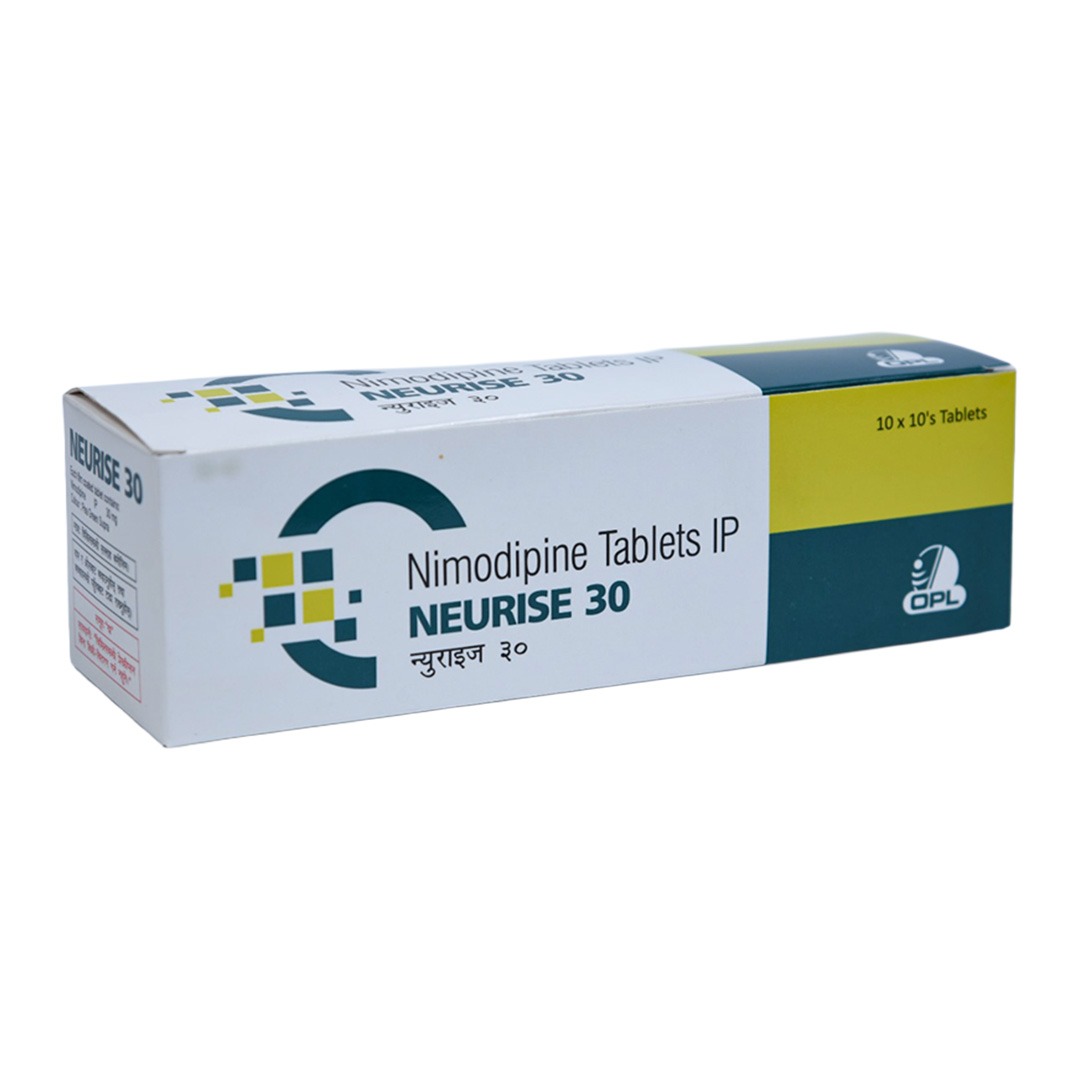
Generic Name: NIMODIPINE
Composition: Each film coated tablet contains: Nimodipine 30 mg tablets
Therapeutic Category: Neuroprotective / Antihypertensive
Pharmacological Category: Dihydropyridine Calcium Channel Blocker (CCB)
Pregnancy Category: C (Use only if benefits outweigh risks)
Lactation: Use with caution
Pack Size: 10 x 10s
|
| INDICATIONS : |
- Prevention and treatment of cerebral vasospasm following subarachnoid hemorrhage (SAH)
- Improves neurological outcome after aneurysmal rupture
- Off-label uses: cognitive disorders, vascular dementia (not routinely recommended)
|
| PHARMACOKINETICS: |
Absorption: Rapidly absorbed after oral administration
Bioavailability: ~13% (due to first-pass hepatic metabolism)
Protein Binding: >95%
Metabolism:Extensive hepatic metabolism (CYP3A4)
Half-life: ~8–9 hours
Elimination: Mainly in feces; minor renal excretion
|
| DOSAGE INFORMATION: |
Subarachnoid Hemorrhage (SAH) Prophylaxis: 60 mg orally every 4 hours for 21 days, starting within 96 hours of SAH
Elderly or hypotensive patients: Lower initial dose may be considered (30 mg every 4 hours)
NOTE: Administer on empty stomach, avoid grapefruit juice (CYP3A4 interaction)
|
| SIDE EFFECTS: |
- Hypotension
- Dizziness or lightheadedness
- Headache
- Nausea
- Bradycardia (rare)
- Flushing
- Elevated liver enzymes (rare)
|
| PRECAUTIONS: |
- Use caution in patients with liver impairment (reduce dose)
- Monitor blood pressure regularly
- Avoid in patients at risk of cerebral ischemia from excessive BP reduction
- Not recommended for intravenous use (only oral/nasogastric)
|
| CONTRAINDICATIONS: |
- Severe hypotension (systolic BP < 90 mmHg)
- Known hypersensitivity to nimodipine or other dihydropyridine CCBs
- Concomitant use with strong CYP3A4 inhibitors (e.g., ketoconazole, erythromycin, ritonavir)
- Intravenous use of oral solution (can cause cardiovascular collapse)
|