| Generic Name: |
Lactulose
|
| Therapeutic Category: |
Osmotic Laxatives
|
| Pharmacological Class: |
Colonic Acidifier
|
| Composition: |
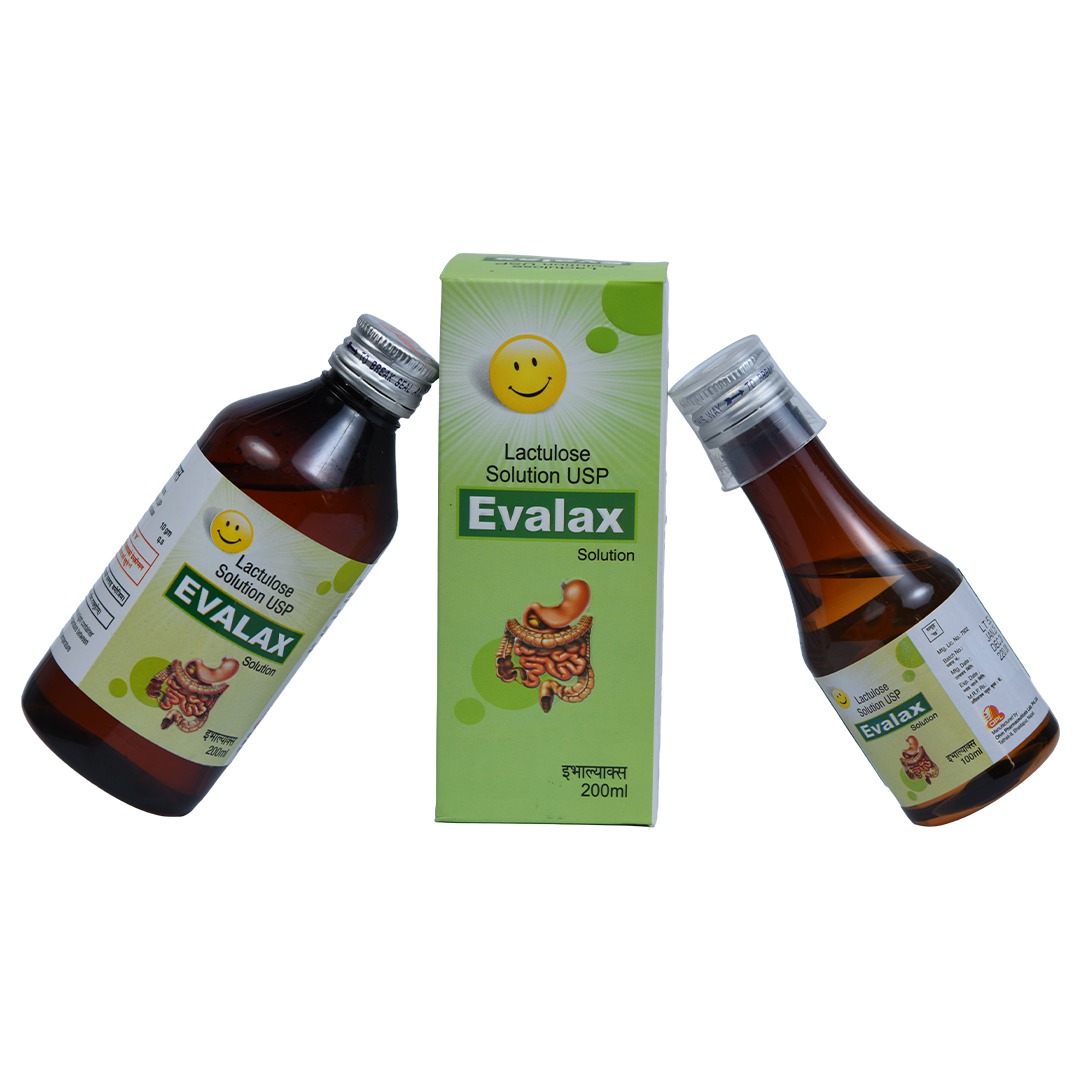
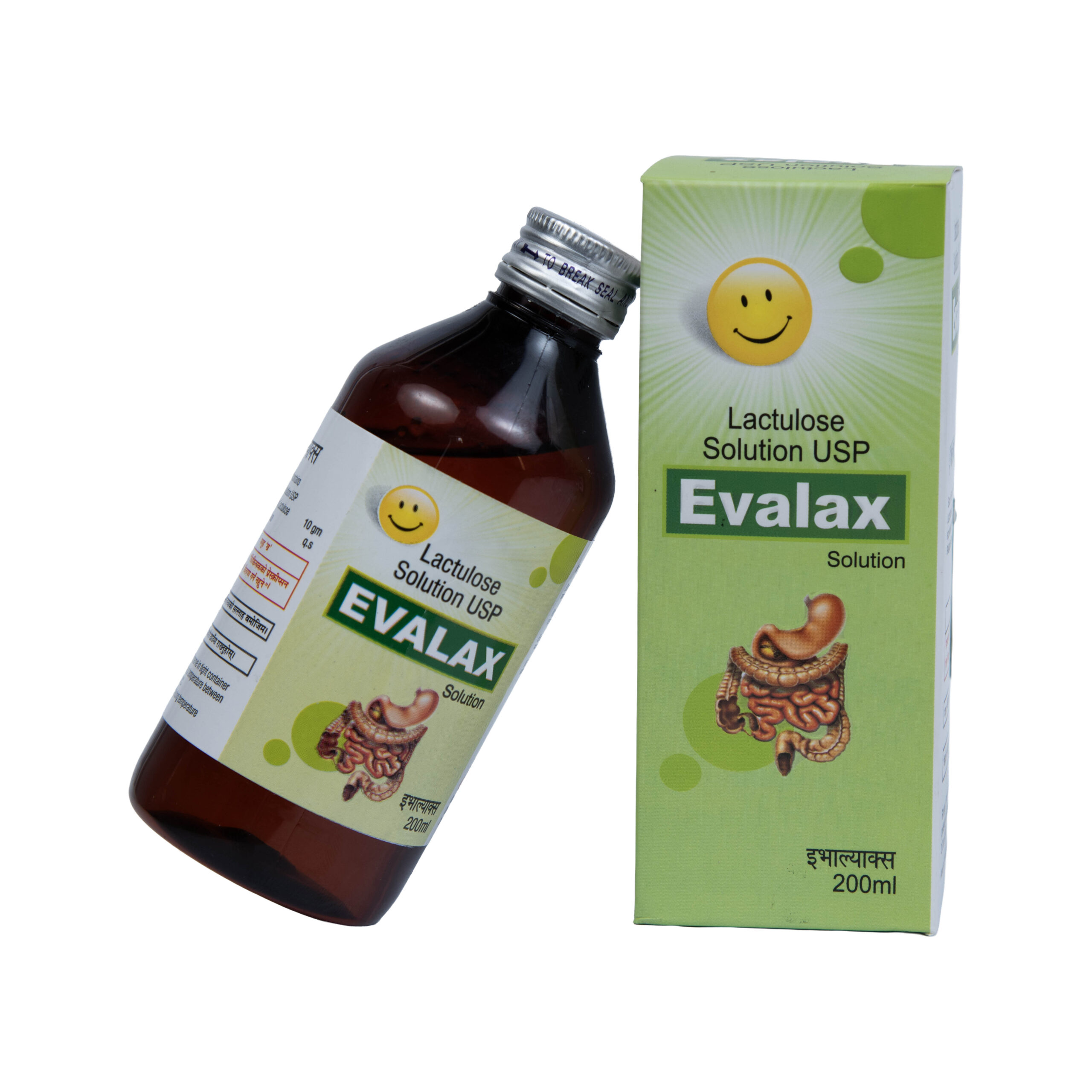
Lactulose 100/200 ml
Each 15 ml consists of Lactulose concentrate USP equivalent to Lactulose 10 gm
|
| Composition: |
B
|
| Presentation: |
Available in 100 ml and 200 ml bottles, each with a measuring cap
|
| Mechanism of Action: |
FOR CONSTIPATION
- Lactulose passes unabsorbed down to large intestine.
- Colonic bacteria convert lactulose to lactic acid, acetic and formic acid.
- Increases the osmotic effect in the intestinal lumen.
- Retains water and fluid.
- Increases bowel volume content.
- Thus, causes easy evacuation
|
| FOR HEPATIC ENCEPHALOPATHY*: |
Also, Lactulose causes a decrease in blood ammonia concentration and reduces the degree of portal-systemic encephalopathy. These actions are considered to be results of the following:
- Bacterial degradation of Lactulose in the colon acidifies the colonic contents.
- This acidification of colonic contents results in the retention of ammonia in the colon as the ammonium ion.
Since the colonic contents are more acidic than the blood, ammonia can be expected to migrate from the blood into the colon to form the ammonium ion. The acid colonic contents convert (Ammonia) NH3 to the ammonium ion (NH4)+, trapping it and preventing its absorption.
|
| Indications: |
- Constipation
- Prevention & treatment of portal -systemic encephalopathy
- Acidification of the colon contents attracts ammonia from the bloodstream, assisting stool excretion; helpful in liver failure when ammonia cannot be detoxified
|
| Dosage: |
Route of administration: Oral
Constipation
Adults: 15 to 30 mL (10 to 20 gm lactulose) daily; may increase to 60 mL/day.
Adjust dosage to produce 2 to 3 soft stools/day.
Hourly doses of 30 to 45 mL may be used for rapid laxation initially; reduce to recommended daily dose.
Portal-systemic encephalopathy
Adults: 30 to 45 ml, 3 to 4 times daily.
|
| Pharmacokinetics: |
Absorption: Poorly absorbed in gastrointestinal tract
Metabolism and Excretion: Absorbed lactulose is excreted unchanged in the urine. Unabsorbed lactulose is metabolized by colonic bacteria to lactic, acetic, and formic acids.
Half-life: 1.7 – 2 hours
|
| Adverse Effects: |
- Belching*
- Gas
- Stomach cramp
- Distention
- Flatulence*
- Diarrhea
|
| Contraindications: |
EVALAX is contraindicated in the following populations and situations:
Use in patients who require low-galactose diet.
|
| Drug Interactions: |
- Anticoagulant effect of coumarins possibly enhanced by lactulose
|