| Generic Name: |
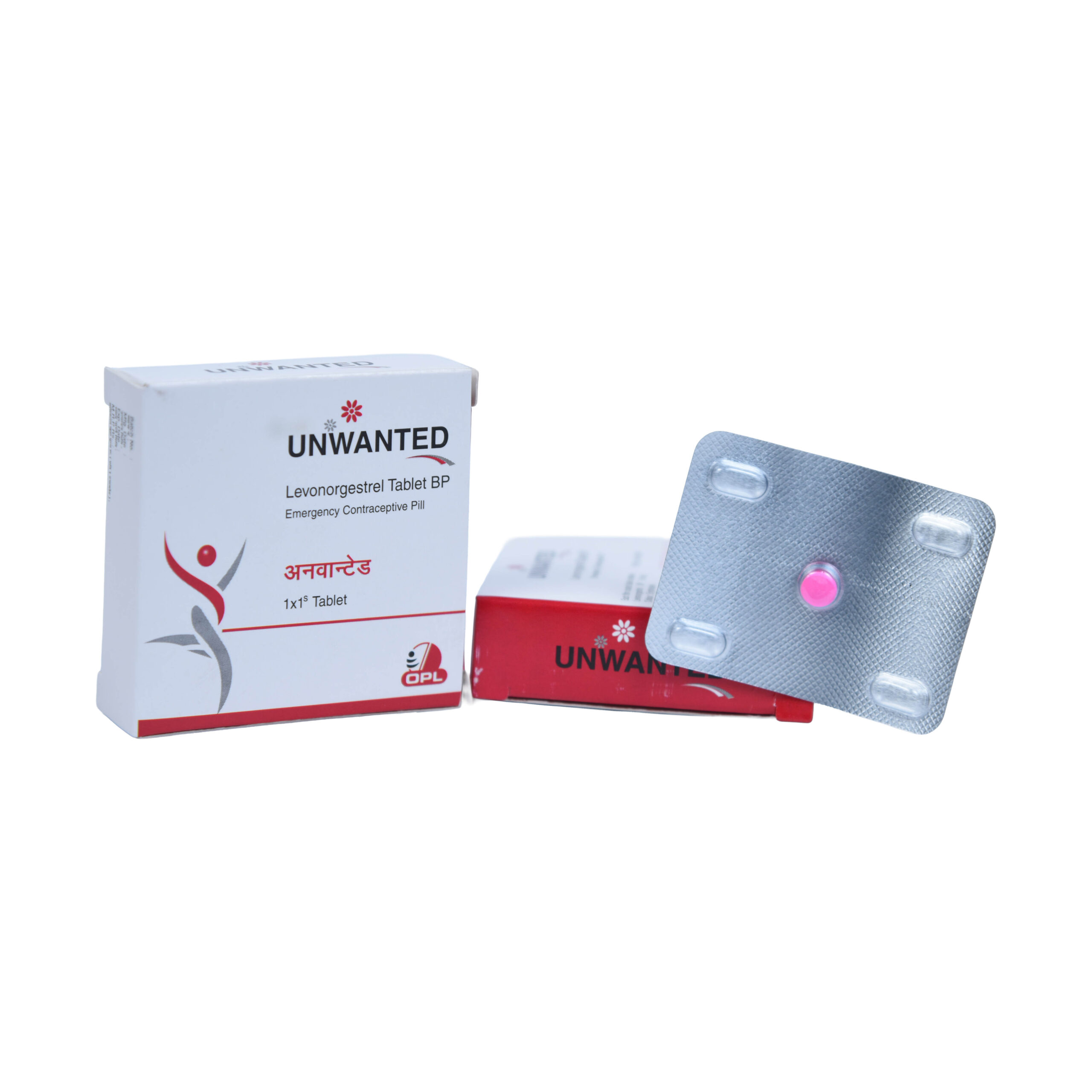
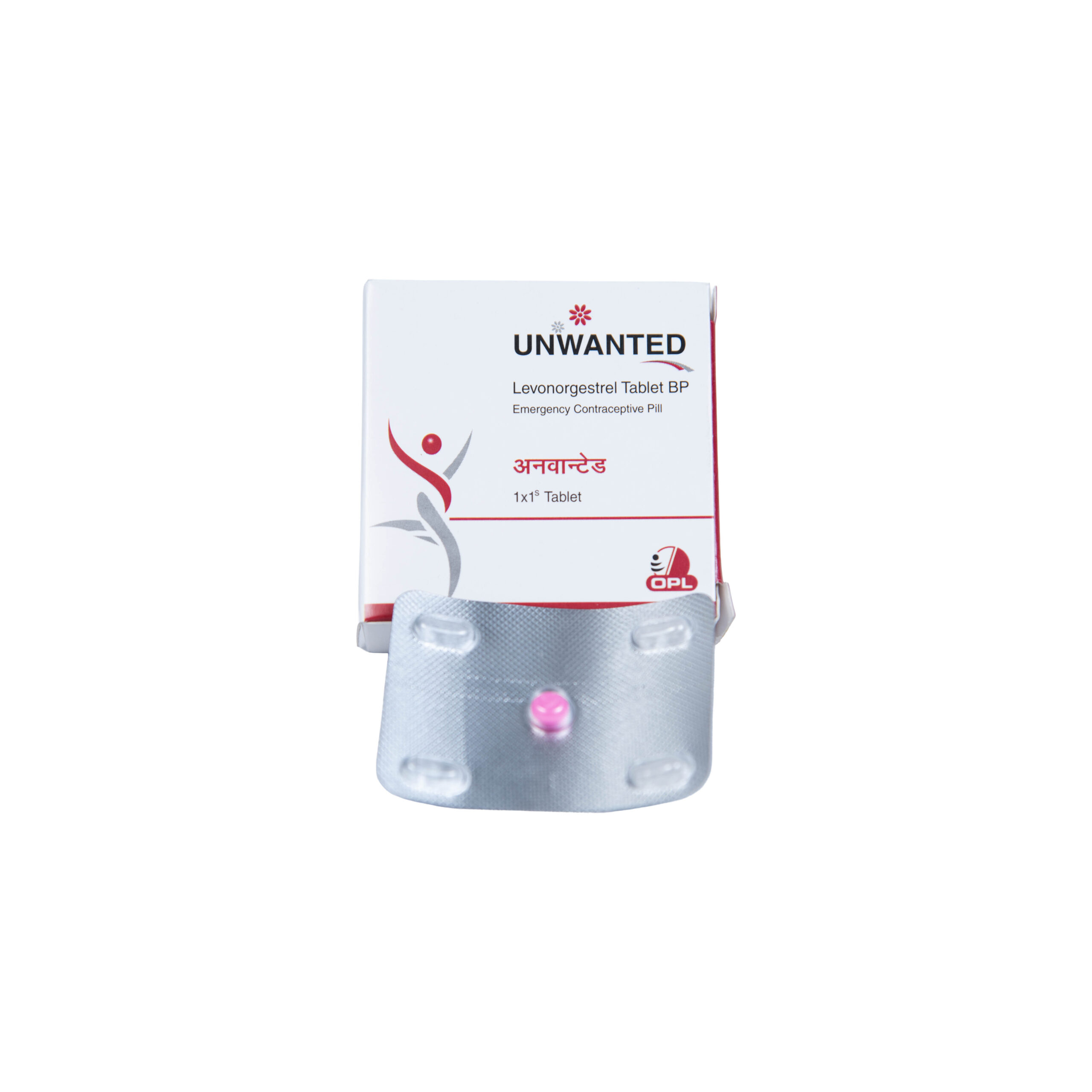
Levonorgestrel
|
| Therapeutic Category: |
Contraceptive, Birth Control
|
| Pharmacological Class: |
Progestin
|
| Composition: |
Each film coated tablet contains Levonorgestrel BP 1.5 mg
|
| Pregnancy Category: |
X
|
| Presentation: |
Available in the pack size as 1 tablet X 1 blisters
|
| Mechanism of Action: |
Levonorgestrel tricks the body processes into thinking that ovulation has already occurred, by maintaining high levels of the synthetic progesterone. This prevents the release of eggs from the ovaries.
It works in following ways:
- By preventing the release of an egg from the ovary or preventing fertilization of the egg by sperm (male reproductive cells).
- It also may work by changing the lining of the uterus (womb) to prevent development of a pregnancy.
- It prevents fertilization( by altering tubal transport of sperm and /or ova)
Levonorgestrel may prevent pregnancy, but it will not prevent the spread of human immunodeficiency virus (HIV, the virus that causes acquired immunodeficiency syndrome [AIDS]) and other sexually transmitted diseases.
|
| Indications: |
- Prevention of pregnancy following unprotected intercourse or a known or suspected contraceptive failure.
|
| Dosage: |
Route of administration: Oral
1 pill of Unwanted should be taken as soon as possible with a glass of water (do not chew the pill) within 120 hours of unprotected sex or contraceptive failure. The sooner Unwanted is taken, the more effective it will be. The pill is most effective when taken as soon as possible, preferably within 12 hours. It can be taken at any stage of the menstrual cycle.
If vomiting occurs within two hours of taking tablet, you should return to your pharmacy, doctor or clinic. You may be given another dose as the first one may not have been absorbed completely.
|
| Pharmacokinetics: |
Absorption: Not subjected to a “first-pass” effect and is virtually 100% bioavailable.
Protein binding: Approximately 55%
Metabolism: Hepatic
Route of elimination: About 45% are excreted in the urine and about 32% are excreted in feces.
Half-life: About 26 hours
|
| Adverse Effects: |
- Nausea, Vomiting, headache, dizziness is common side effects after taking Unwanted.
- Breast tenderness and lower abdominal pain These side effects usually cease within 48 hours of taking the medicine.
- There are chances of unexpected vaginal bleeding but this is not dangerous and should settle by the time of next period.
- After taking Unwanted, changes in period can be experienced. In some cases, the next period may be heavier or lighter, or earlier or later. It is important to go for the pregnancy test if your scheduled period is more than 1 week late.
|
| Contraindications: |
UNWANTED is contraindicated in the following populations and situations:
- Hypersensitivity to levonorgestrel or any component of the formulation.
- Known or Unwanted pregnancy
|
| Precautions: |
- Ectopic Pregnancy*: The absolute risk of ectopic pregnancy is likely to be low, as levonorgestrel prevents ovulation and fertilization. Ectopic pregnancy may continue, despite the occurrence of uterine bleeding. Therefore, Unwanted is not recommended for patients who are at risk of ectopic pregnancy (previous history of salpingitis* or of ectopic pregnancy).
- Not recommended in patients with severe hepatic dysfunction.
|
| Warnings: |
- Repeated administration within a menstrual cycle is not advisable because of the possibility of disturbance of the cycle.
- Use of emergency contraception does not replace the necessary precautions against sexually transmitted diseases.
- After the intake of Unwanted, menstrual periods are usually normal and occur at the expected date. They can sometimes occur earlier or later than expected by a few days. Women should be advised to make a medical appointment to initiate or adopt a method of regular contraception
|
| Drug Interactions: |
- CYP3A4 inducers: Reduced contraceptive efficacy.
- Protease inhibitors/non-nucleoside reverse transcriptase inhibitors: Increase or decrease in the plasma levels of progestin has been noted.
- Warfarin: Anticoagulant activity may be enhanced
|
| Terminologies: |
Ectopic Pregnancy: Also known as tubal pregnancy, is a complication of pregnancy in which the embryo attaches outside the uterus
Salpingitis: Inflammation of the fallopian tubes.
|